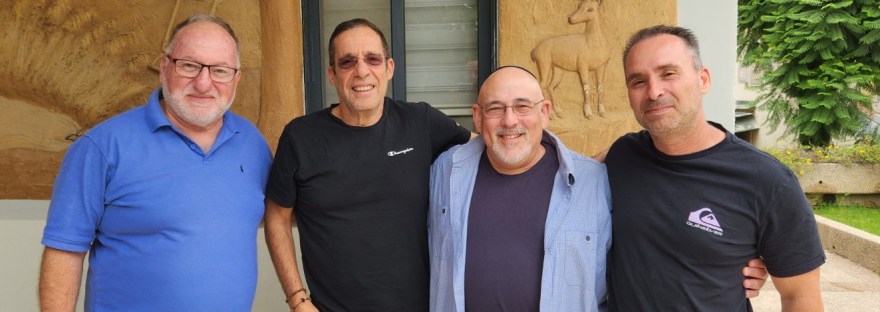
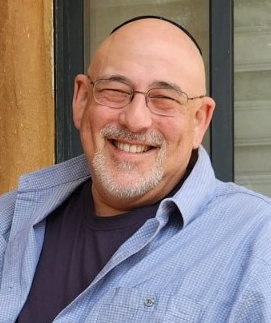
By Rabbi Jonathan Lubliner, AFNH Board of Directors
Neve Hanna has never felt like an institution to me. Yes, there are offices, daycare rooms, and residential cottages, an artisanal bakery, and a miniature zoo, but the campus has a haimish feel to it, much like an extended family living in adjacent homes.
This past June, I spent several days visiting Neve Hanna. The highlight for me was sharing lunches and dinners with different youngsters each day. Because Neve Hanna seeks to cultivate a sense of organic family, each housing group consists of both boys and girls of different ages. Sitting down to eat – the appropriate berakhot are recited before and after each meal and boys wear kippot – the kids made me feel welcome immediately. As we sat around the table they peppered me with questions about my home, community, family, and hobbies. Since everyone is assigned household chores, those who helped prepare the food wanted to know if I liked what they made. I assured them truthfully that the falafel and shakshuka were very tasty!
Because my stay came a few days after Neve Hanna’s annual bar/bat mitzvah celebration, I had the good fortune to attend a post-b’nai mitzvah musical program led by former staffer, Rabbi Deborah Sacks Mintz, now Director of Tefillah and Music for the Hadar Institute. Working in pairs and then as a group, the children wrote a song about the process of becoming bar/bat mitzvah and its meaning to them.
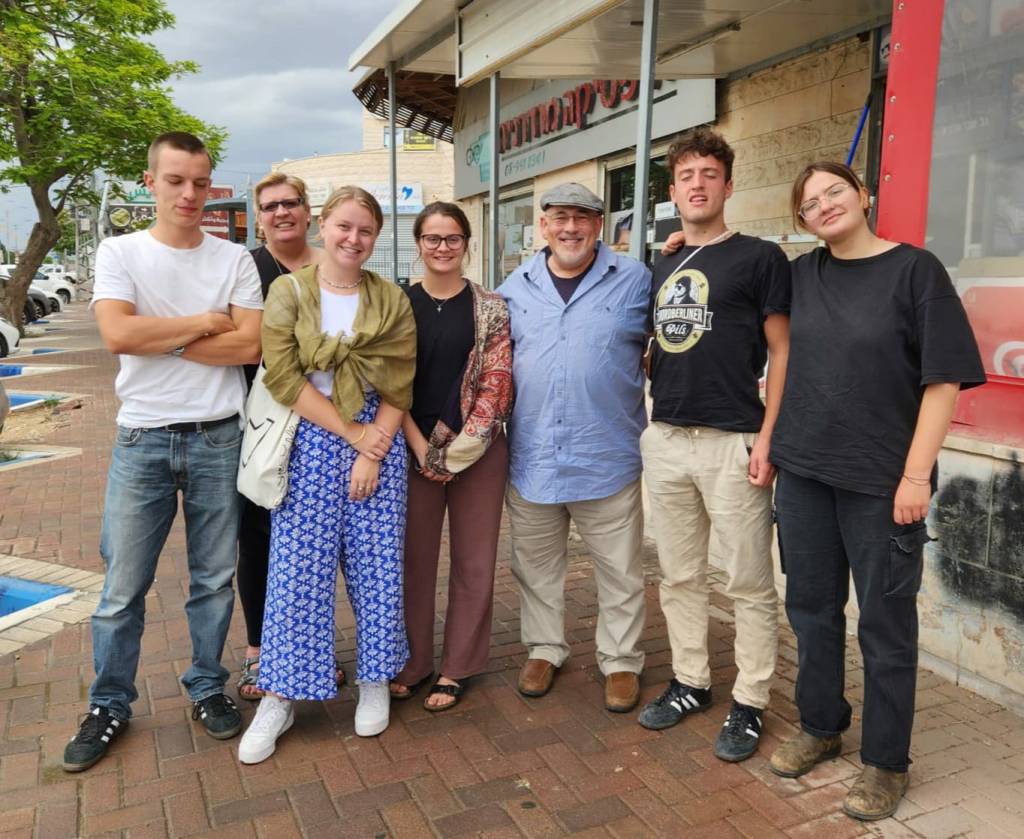
Earlier that day, I joined Antje Naujoks and a group of young German volunteers on a visit to Rahat, a neighboring municipality of Kiryat Gat and the world’s largest Bedouin city. Because Rahat is home to the Bedouin children of Neve Hanna’s interfaith/intercultural day care program, it is important for the volunteers to better understand the unique dimensions of Bedouin life in Israel. The trip to Rahat was a reminder of Neve Hanna’s commitment to building bridges between communities and fostering a greater respect for diversity among all who call Israel home.
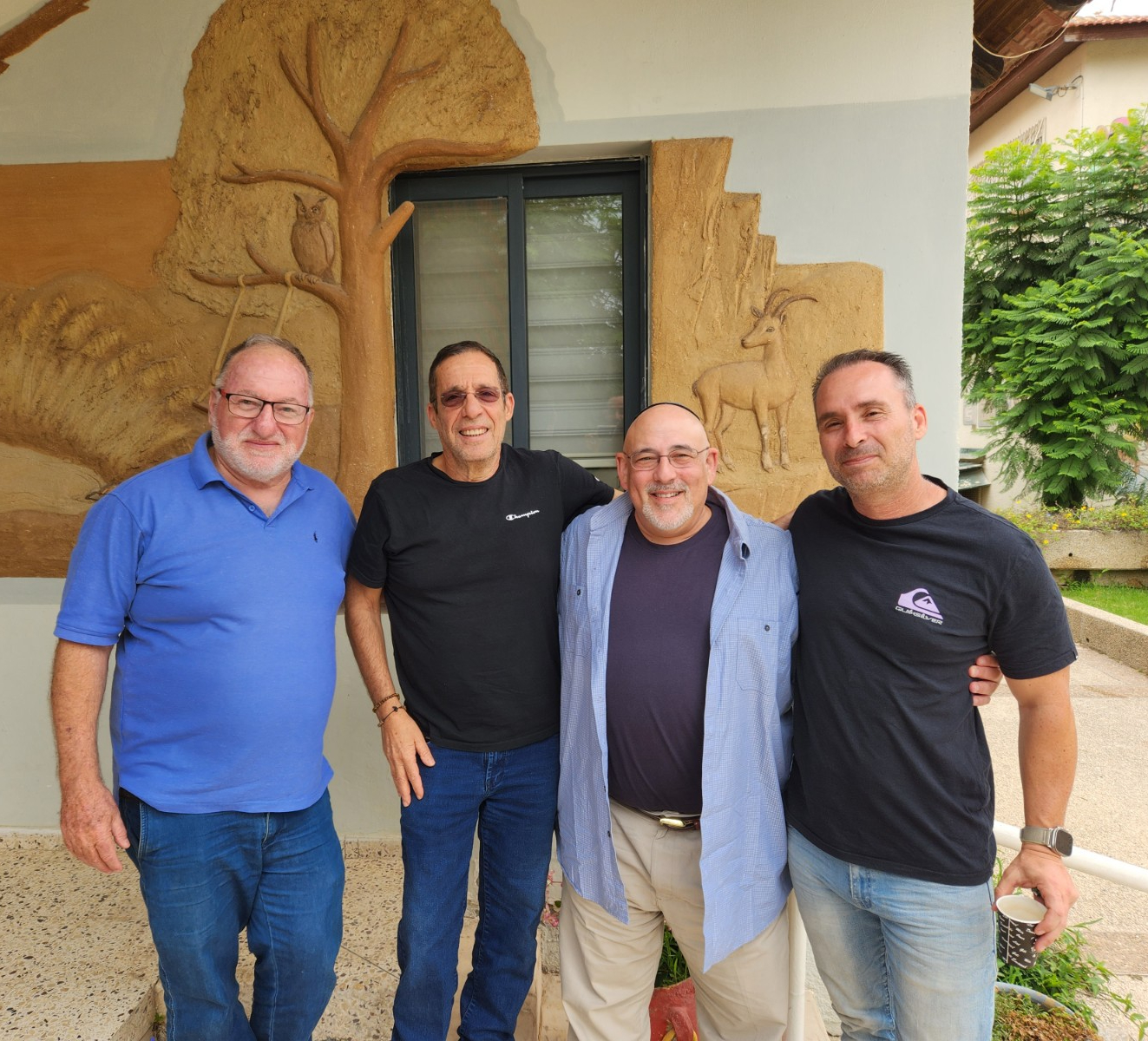
The staff of Neve Hanna is responsible for its success. Visit any of the residential groups and you will meet house parents for whom their role is a calling, not simply a job. From the legacy of Founder Hanni Ullman z”l to the devotion of its leaders — each with many years of service to the organization; from the therapists and employees to the volunteers, the adults of Neve Hanna are as inspiring as the children they serve. It’s hardly surprising that a significant number of graduates return to Kiryat Gat as adults to give back the love and care they received as children at Neve Hanna.
The great Polish Jewish educator who tragically perished in the Shoah, Dr. Janusz Korczak, once observed, “Children are not the people of tomorrow, but people today. They are entitled to be taken seriously and treated by adults with tenderness and respect as equals. They should be allowed to grow into whoever they were meant to be – the unknown person inside each of them is the hope for the future.” Nearly a century after Korczak wrote these words, Neve Hanna lives them each day. Come December, I look forward to bringing a group of visitors from my community to witness the wonder of this special place.
 American Friends of Neve Hanna