
Noah’s Ark: Animal-Assisted Therapy and Program
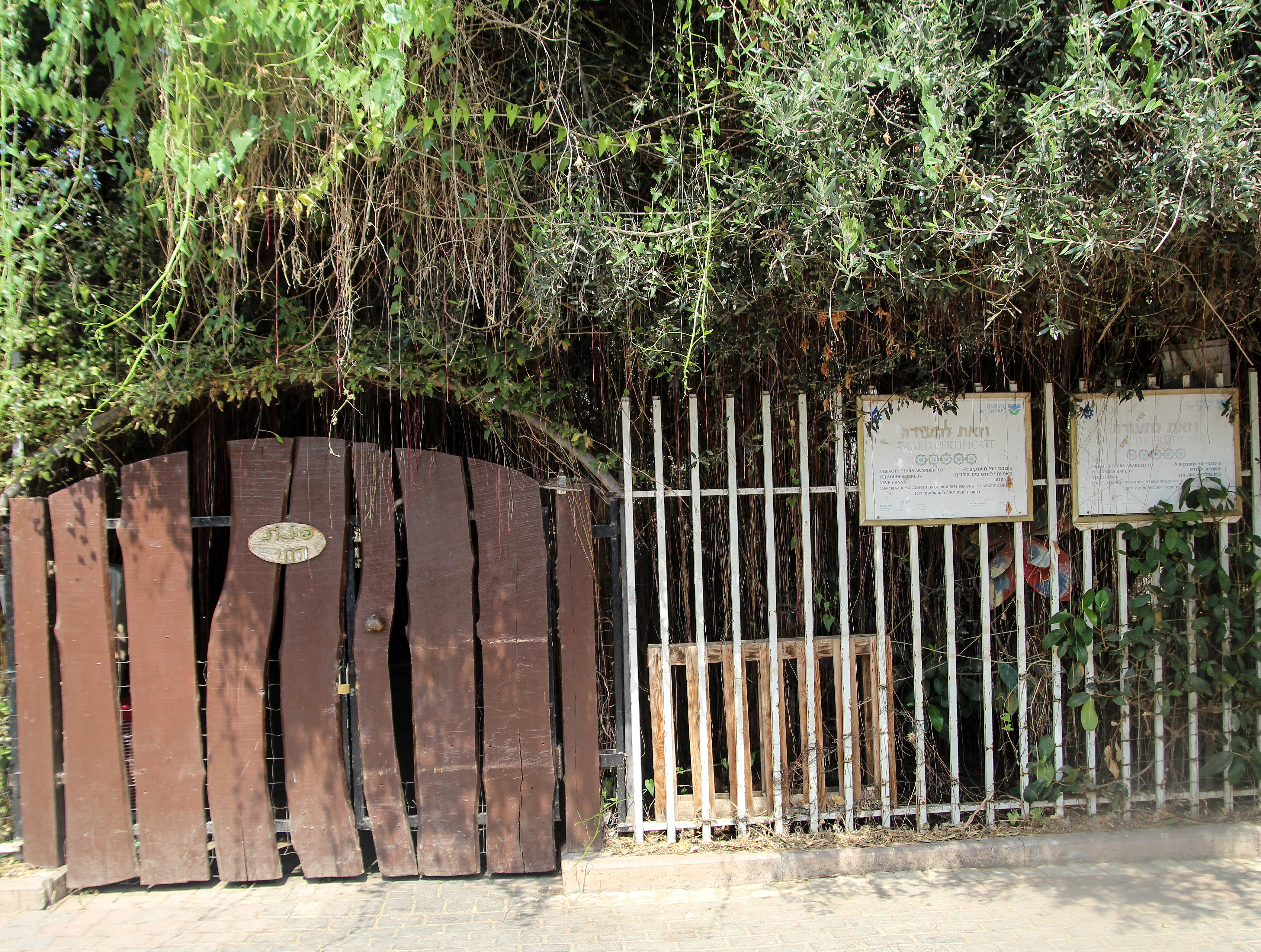
Neve Hanna was among the first children’s homes in Israel to offer animal-assisted therapy. It is a well-established program that Neve Hanna has offered almost 20 years. Today, about a quarter of all therapy programs Neve Hanna offers take place in the therapeutic Petting Zoo.
The children referred to the animal-assisted program are between 6 and 15 years old. Due to their severely traumatic past in early childhood often combined with special needs due to their migration background, they are in need of a non-verbal therapy form. Animal-assisted therapy allows them to learn to “talk” about their traumatic experiences and learn or re-learn vital social skills in order to ensure their healthy development (e.g. relationships based on trust, care, empathy and love).
The enrolled children have weekly individual sessions with their therapists as well as group activities organized by the therapists and the director of the petting zoo. For each child the therapist sets individual aims, immediate, mid-term and long-term aims, and adjusts the treatment every couple of months according to the progress each individual child makes. The professional board of Neve Hanna discusses the case and its implications, the challenges and the progress of each child every three months. The involved and supervising Israeli authorities evaluate a child’s development by the end of the school year.
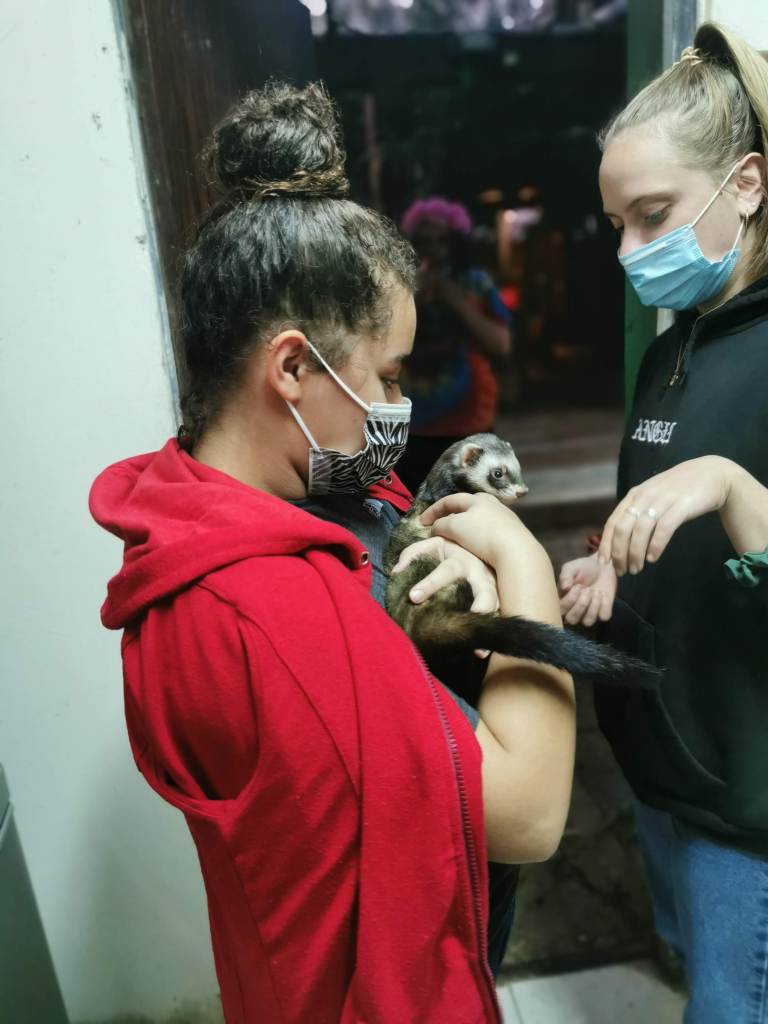
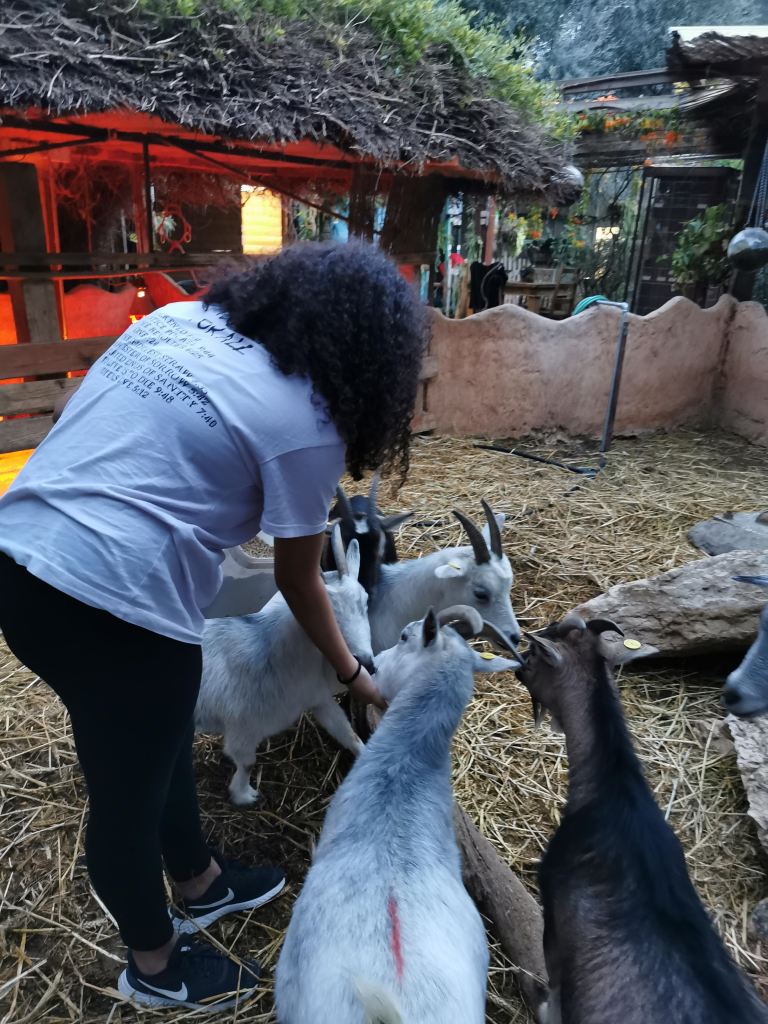
The three professionals also offer additional educational seminars for a group of children called “Trustees of the Petting Zoo”. These children are actively involved in all matters of the petting zoo and in addition participate in caring for the animals, nursing ill animals and also training animals (e.g. teach parrots to talk). In addition, dozens of other children of Neve Hanna participate in general educational units and activities the petting zoo organizes. Furthermore, sometimes we offer activities for the classmates of our children.
In addition, “Noah’s Ark” as a place with a high recreational value serves as a leisure time setting for children living in the area, and therefore enables Neve Hanna to contribute to the community, in which the children’s home is located.
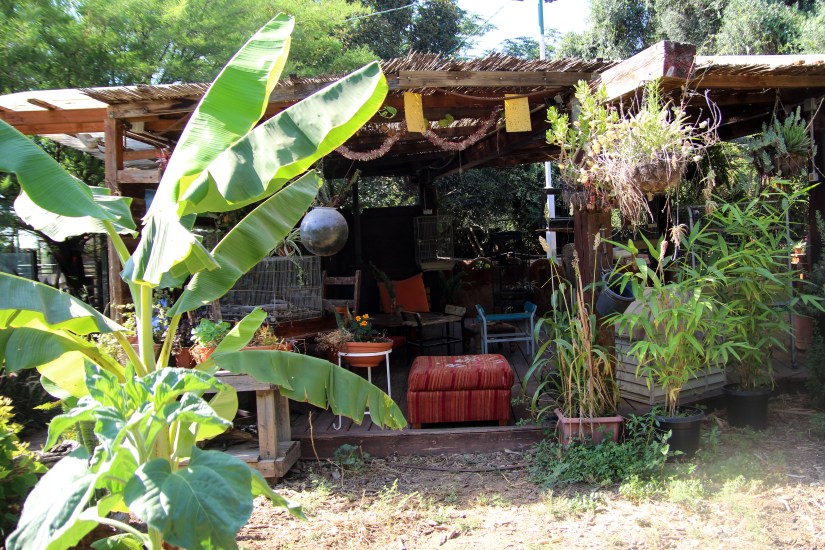
Neve Hanna’s Petting Zoo attracts children as well as adults from the entire area. A variety of animals inhabit it, including hamsters, gerbils, goats, rabbits, mules, snakes, iguanas, turtles, fish, parrots, geese, hens, peacocks, meerkats and many more.
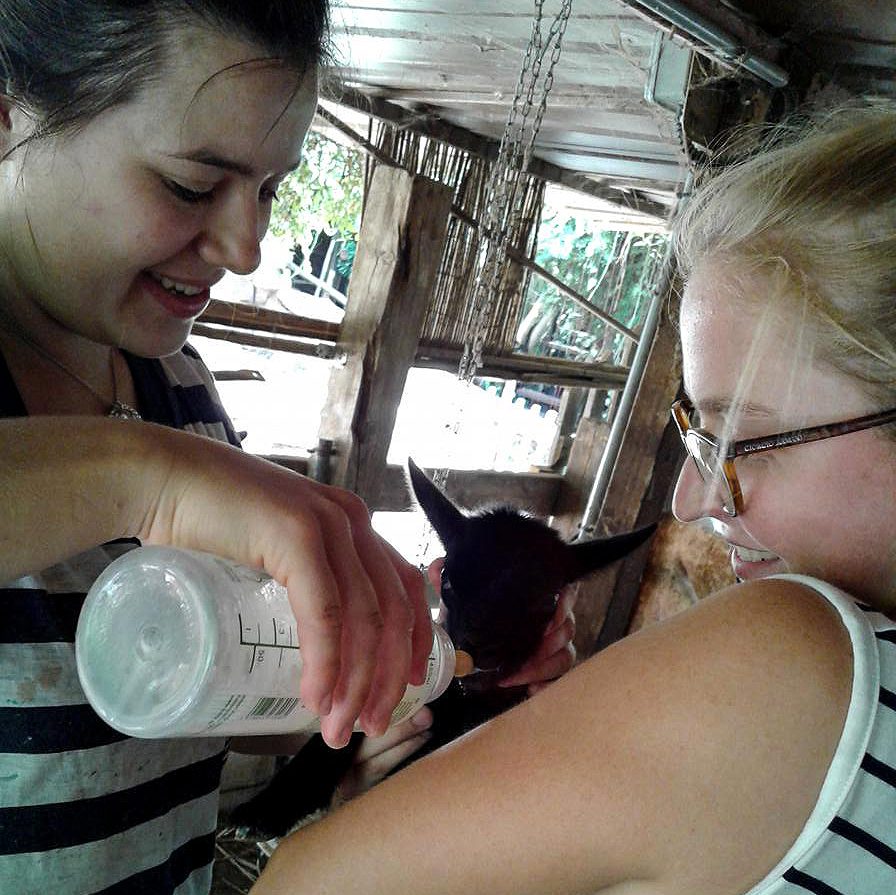
Animal therapy is based upon a “triangle” of therapeutic communication: the therapist – the animal – the patient. The animal is a mediator, and it enables a bi-directional and meaningful work. During the therapy the “human” qualities of the animal in a manner that can reflect and be parallel to the child’s feelings.
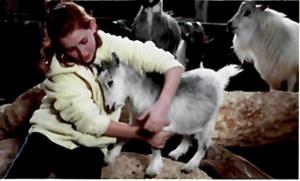
The Healing Potential: The “triangle” between the therapist, the animal and the patient, forms unique situations: The connection with the animal is based upon non-verbal communication, yet feelings can be expressed.
New and unknown situations are formed in the presence of the animal and these demand an immediate response from the child. The child is required to get closer and trust the animal. Thus, a relation of honesty is formed [first of all with the animal], and although it does not include verbal communication, it encourages a healthy mental development of the child.
Animals do not criticize and do not “pass out grades”. The child develops a relationship with them, without tensions or expectations. Thus, they have a feeling of success which strengthens their self image and assists in other fields of life.
Project expenses include:
- Salary, director of zoo.
- Salary, animal therapist, employee.
- Salary, animal therapist, freelancer.
- Books, films, accessories for therapy.
- Trustees of the petting zoo: educational material and trips to nature reserves.
- Group activities.
- Maintenance: food, vaccinations, vet, plants.
- Purchase of new animals.
- Cage renovations: material, work provided by volunteers.
 American Friends of Neve Hanna
You must be logged in to post a comment.